
The notes that keep you going
What music is worth when the body is working hard
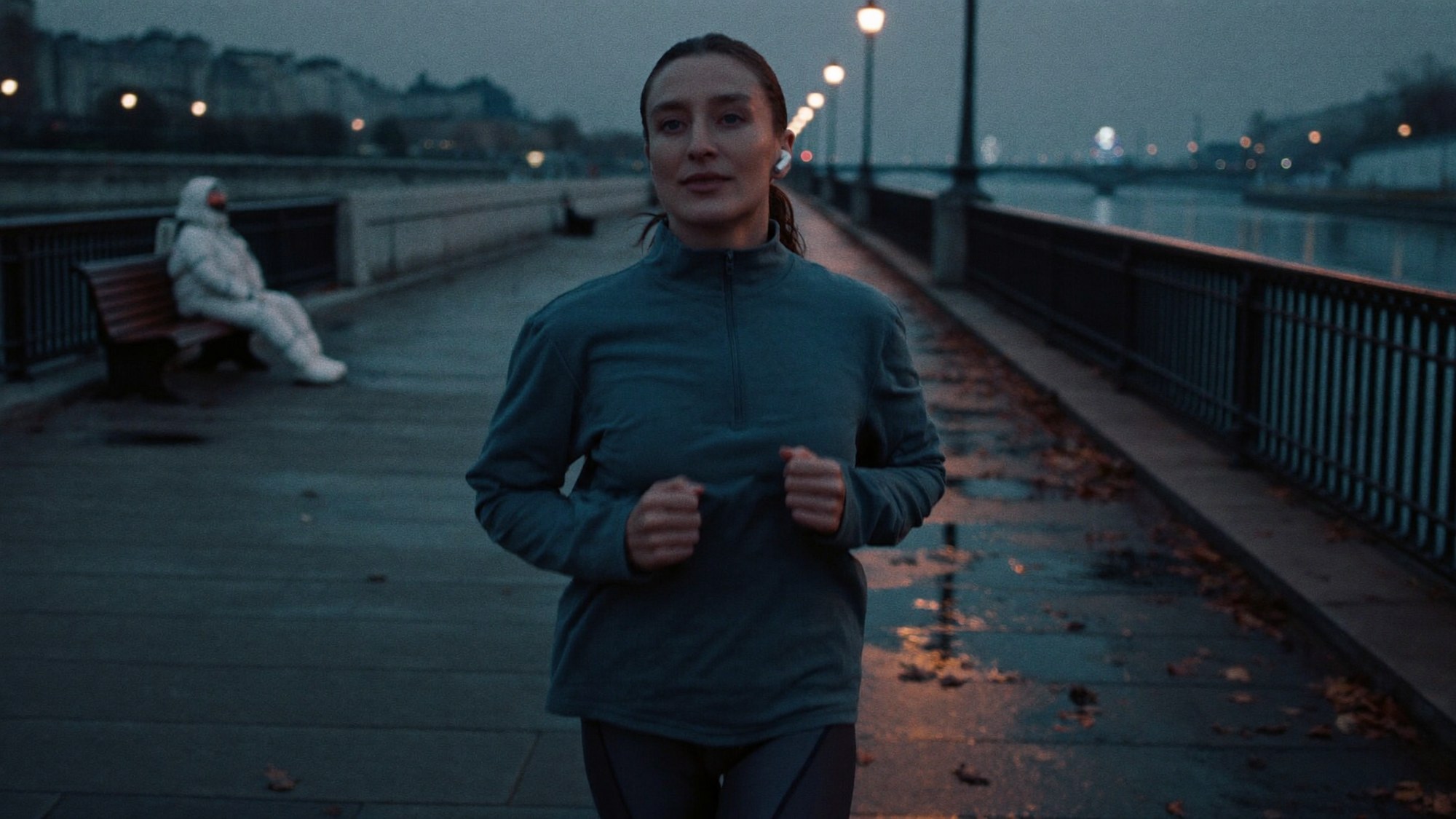
In 2007 the organisers of the New York City Marathon banned headphones for everyone in the race. They were applying a brand-new rule from the American athletics federation, which prohibited portable players in sanctioned events for two reasons: safety (with music in your ears you can't hear who's coming up behind you) and the ban on communicating with the outside, coaches included.
The result was that a great many runners raced with music anyway, earbuds tucked under their caps, risking disqualification for the sake of a beat in their ears. The protests were loud enough that the federation backed down the following year: from late 2008 race directors may allow headphones in events that don't award a title, and the ban only survives for those running for prize money. Today in New York headphones are discouraged, not forbidden.
Anyone who had ever run with a Walkman knew that music helps you bear the effort, but there had never been such a public demonstration of it. Research, meanwhile, already had a name for the mechanism: dissociation.
Dissociation
Music pulls attention away from fatigue. At moderate intensity the sense of effort drops by roughly a tenth, the figure that keeps coming back in the work of Costas Karageorghis, the sport psychologist at Brunel University London who has been measuring these things for thirty years. Above a certain threshold, though, the trick stops working: once the effort gets intense, muscular strain takes over and the body sends an alarm signal that no chorus can cover. We are not horses, which run until they drop.
Below that threshold, music does two things at once: it makes the effort more bearable and it shifts your state of tension, one way or the other depending on the track. British middle-distance runner Kelly Holmes, double gold medallist in Athens in 2004, listened to slow Alicia Keys songs before her races, "Fallin'" and "Killing Me Softly": to calm down, not to fire up.
In time
The second effect is about timing. The tempo of a track regulates movement, and exercise done in time with music is steadier: in a 2012 study, cyclists pedalling in sync with the music used about 7% less oxygen than those pedalling to the same music out of sync.
Haile Gebrselassie had worked that out on his own. In February 1998, in Birmingham, he ran the indoor 2,000 metres in 4:52.86, the fastest time ever recorded over the distance, while "Scatman" played over the loudspeakers. He had asked for it himself, because the tempo matched his stride.
On your own
Where the athlete is alone, with no teammates to share focus with, shutting out external stimuli helps, and a well-chosen track keeps distractions away from the goal. In individual sports the contribution of music is real, and sometimes it decides a race.
If you've never tried it, you don't need an app: you need a playlist built on your pace, with a tempo that matches your cadence, and one slow track for the minutes before.
This piece is a revision of an article from December 2017. The story of the ban has been updated, since the rule was relaxed as early as 2008, and the numbers have been checked against the sources.
Alessandro Porri
More of these, here.
All articles →